Training Records
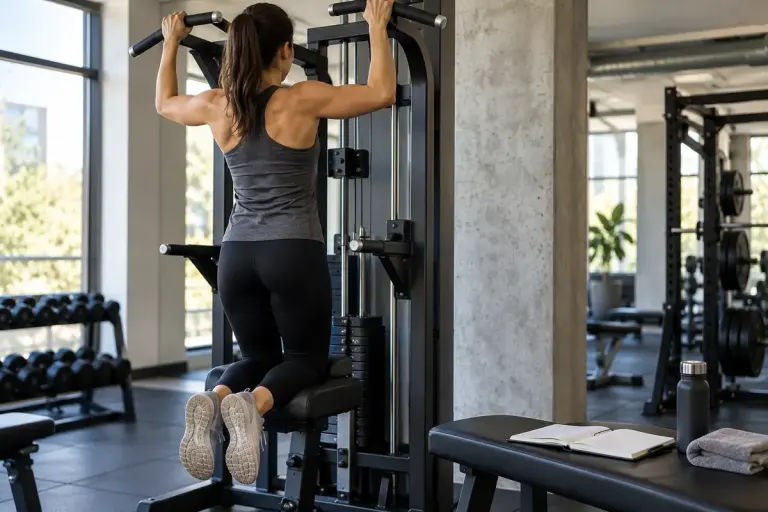
Log the Assistance on a Pull-Up Machine as Assistance
Record assisted pull-up settings clearly so less assistance is not mistaken for a lighter effort or compared directly with unrelated machines.

Move with purpose. Build a routine that fits.
Record assisted pull-up settings clearly so less assistance is not mistaken for a lighter effort or compared directly with unrelated machines.
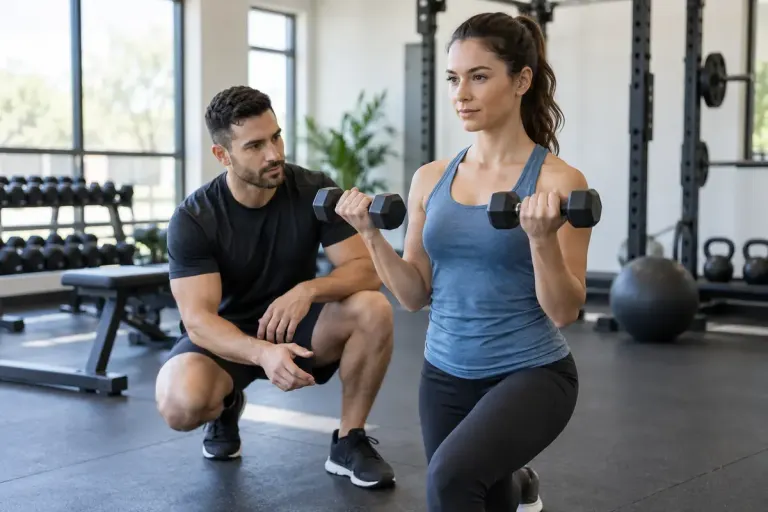
Repetition counts become easier to compare when the movement range is recorded too. Keep exercise notes consistent without forcing an uncomfortable position.
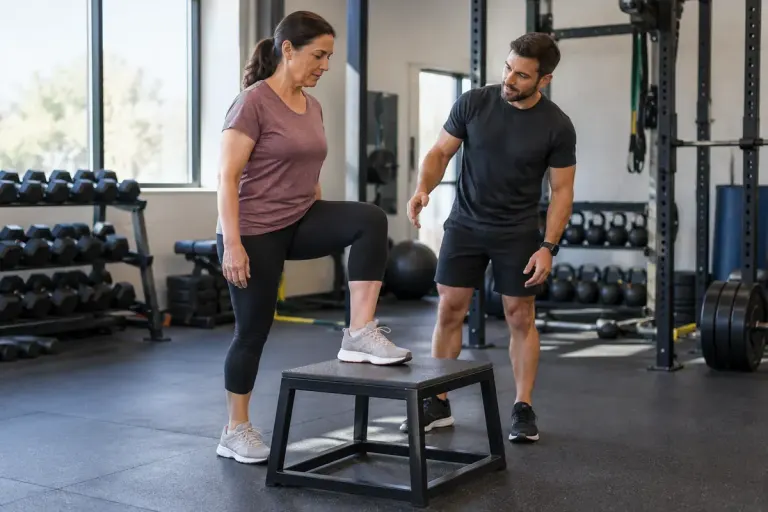
Choose a step-up height that allows a planted foot and smooth, controlled movement, including the return to the floor.
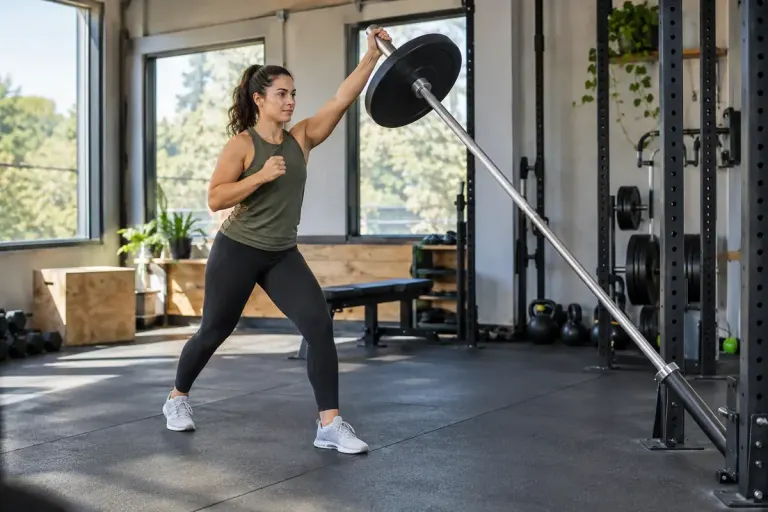
Prepare a secure landmine attachment, clear movement space and manageable load before learning the angled pressing path.
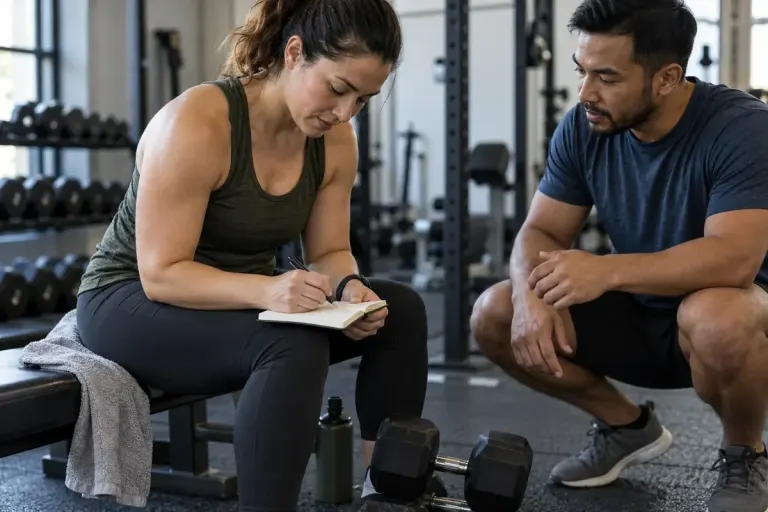
Repetitions in reserve describes an estimate of remaining effort. Record it consistently without treating it as a guaranteed count.
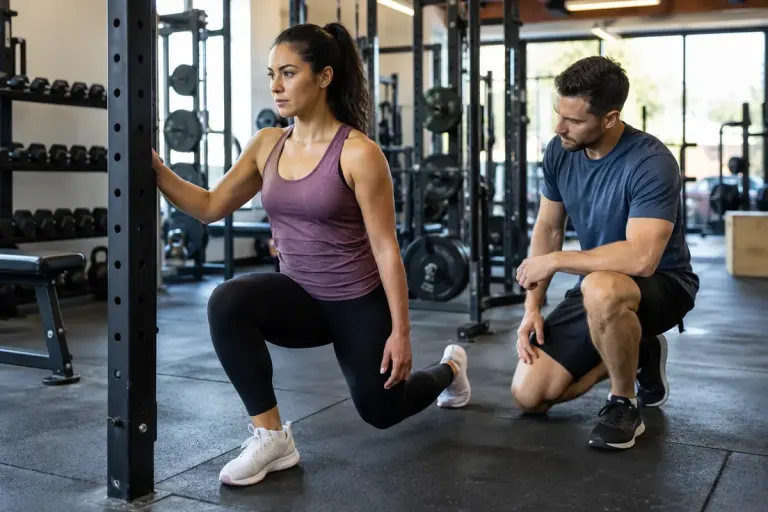
Make single-leg exercise notes unambiguous by recording repetitions per side, set order and load consistently instead of mixing totals across sessions.
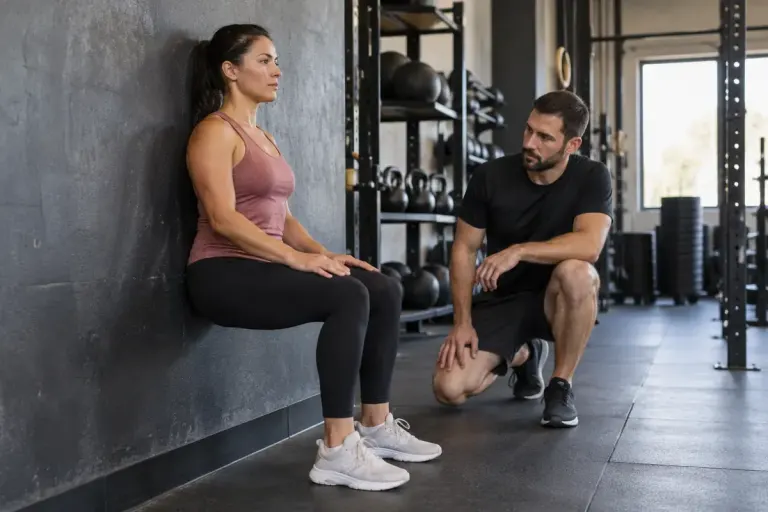
Record an isometric exercise with its hold time, position and variation so that a training log compares the same task instead of treating every hold as interchangeable.
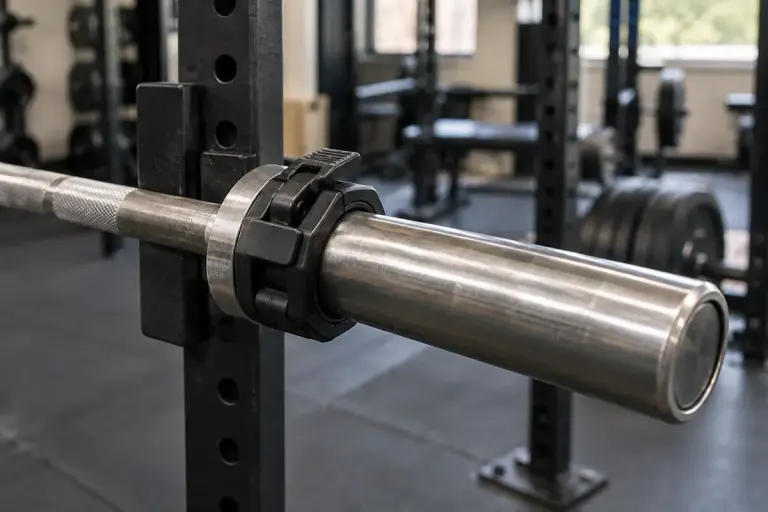
Match barbell collars to the equipment, check their condition and confirm the gym’s safe loading procedure before starting a set.
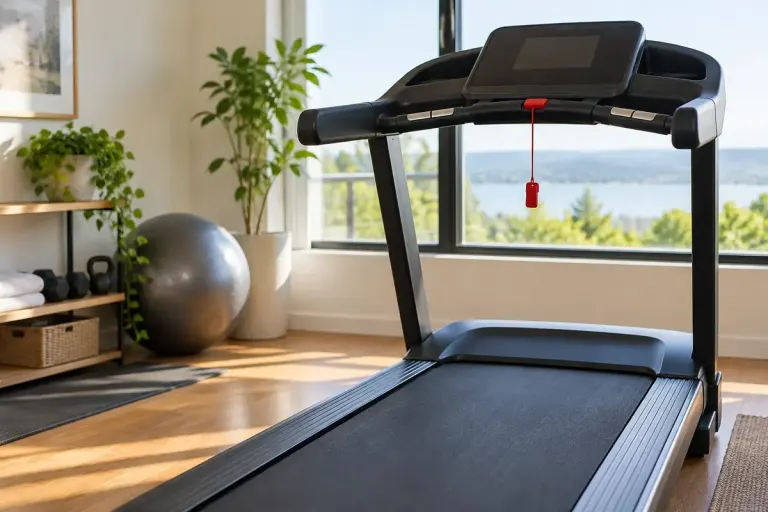
Ask staff to demonstrate the treadmill’s normal stop and emergency control before beginning a session on an unfamiliar machine.