Watching sport closely
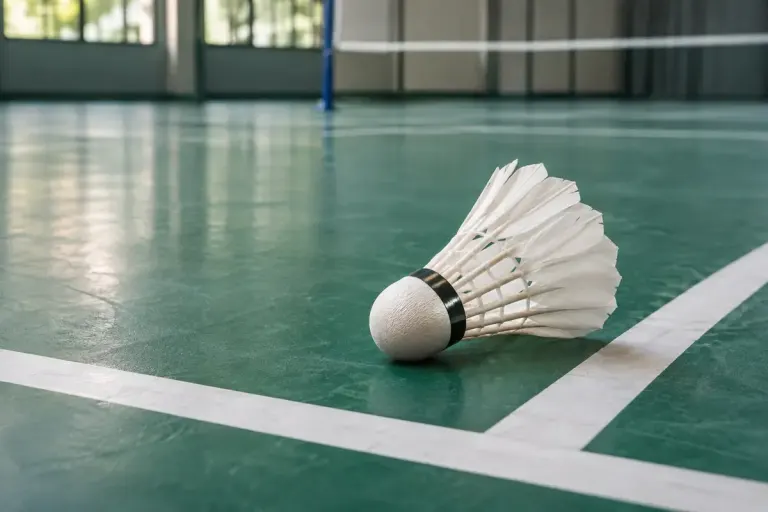
A shuttle-speed test starts with a particular stroke and landing zone
Learn the badminton shuttle-speed test in BWF Law 3, from the underhand stroke to the landing interval, and why an ordinary rally is a poor substitute.

Move with purpose. Build a routine that fits.
Learn the badminton shuttle-speed test in BWF Law 3, from the underhand stroke to the landing interval, and why an ordinary rally is a poor substitute.
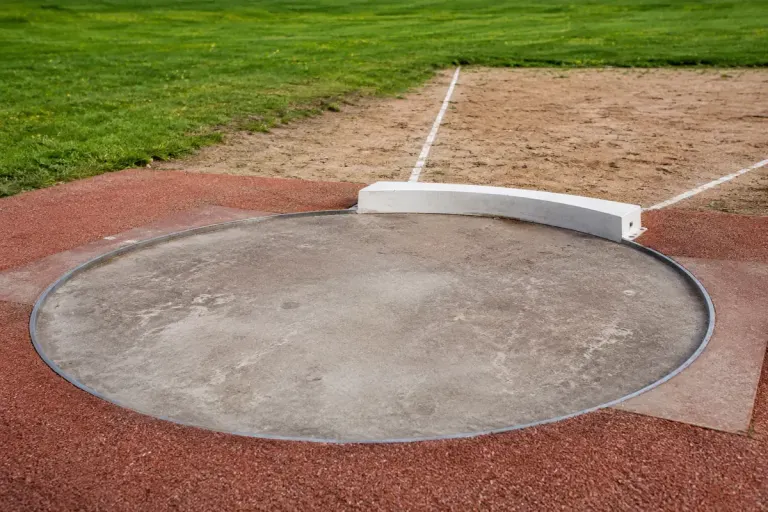
A long shot put is only measured if the attempt is valid. Learn why the stop board, landing sector and controlled exit deserve attention when watching.

Race walking is judged by visible ground contact and a straightened advancing leg. Understand the two rules before drawing conclusions from a frozen video frame.

Long-jump distance runs from the take-off line to the nearest landing mark. Learn why a legal jump can measure shorter than the flight appears.

Understand the table-tennis expedite system: the ten-minute trigger, the 18-point exception, alternating service and the receiver’s 13-return rule.

In a relay exchange, the baton’s position matters. Learn when the handover begins and ends before judging a replay by the runners’ feet.

Read a javelin landing by its first contact with the ground, then separate that requirement from the sector, runway and other validity rules.

Watch the run-up, timing line and measured section separately in a flying-start track-cycling time trial, rather than comparing it directly with a standing start.