
Training Records
Keep a training log’s effort scale consistent from one week to the next
Make effort ratings in your training log comparable by using the same scale, timing and context, rather than treating every number as a universal measure.

Move with purpose. Build a routine that fits.
Make effort ratings in your training log comparable by using the same scale, timing and context, rather than treating every number as a universal measure.
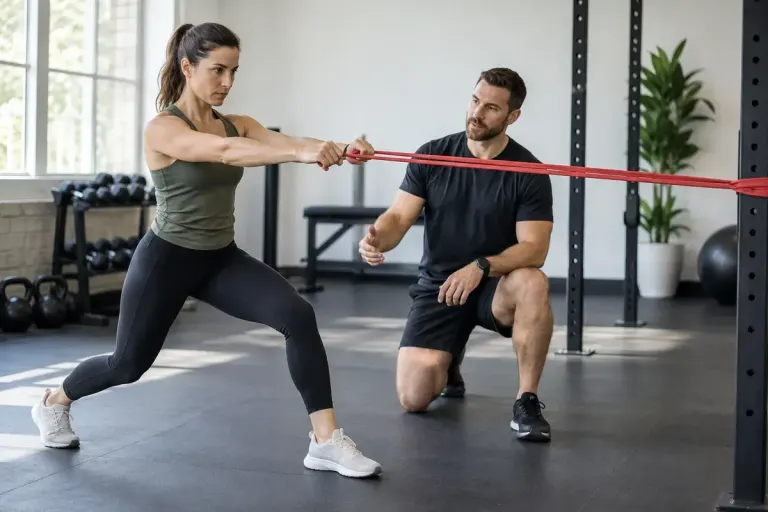
Compare resistance-band exercises using the band, starting length and movement setup, rather than colour or appearance alone.

Notice the lowering phase in a strength exercise, follow an appropriate tempo and avoid adding unfamiliar eccentric loading simply to make a workout harder.

Use progressive preparation sets to rehearse a planned lift, with suitable loads and rest, before beginning the working sets in your training session.

Record assisted pull-up settings clearly so less assistance is not mistaken for a lighter effort or compared directly with unrelated machines.

Repetition counts become easier to compare when the movement range is recorded too. Keep exercise notes consistent without forcing an uncomfortable position.
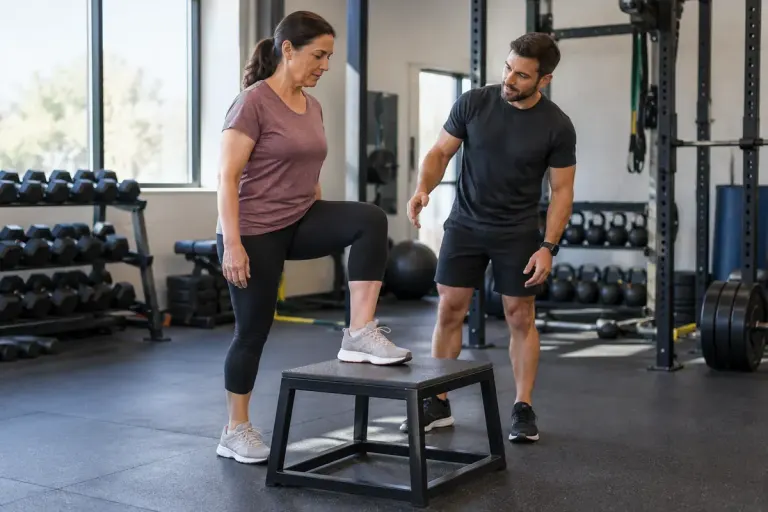
Choose a step-up height that allows a planted foot and smooth, controlled movement, including the return to the floor.
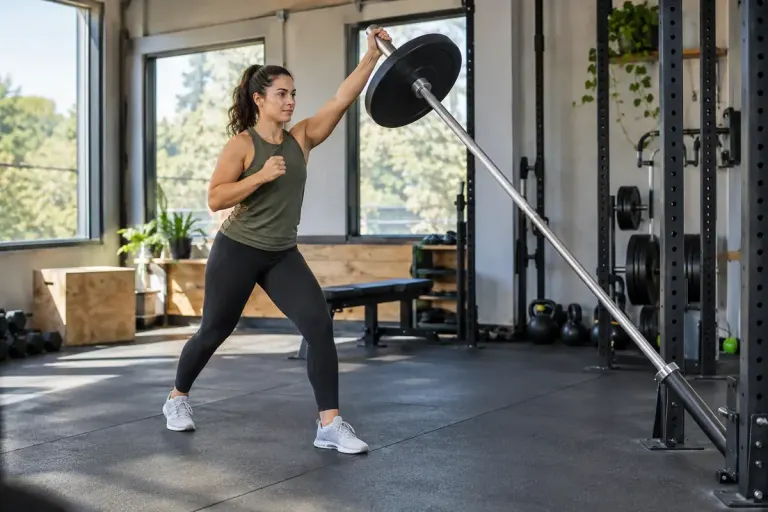
Prepare a secure landmine attachment, clear movement space and manageable load before learning the angled pressing path.

Repetitions in reserve describes an estimate of remaining effort. Record it consistently without treating it as a guaranteed count.