
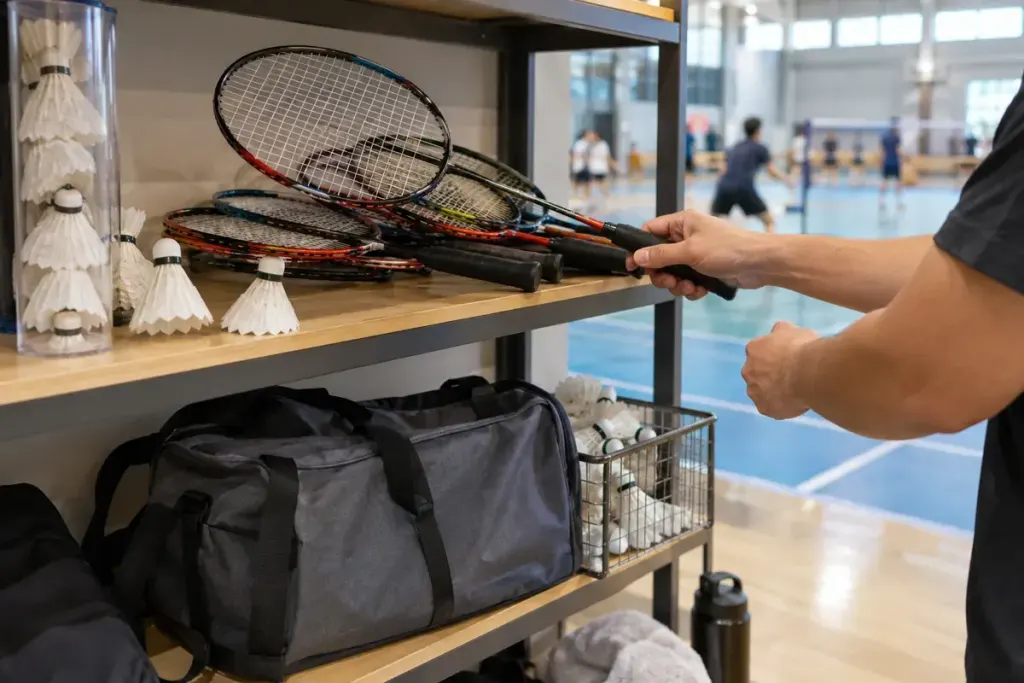
The first enthusiasm for a new sport can produce a surprisingly expensive basket. A racket, a bag, specialist clothing and several accessories appear before you have discovered whether the local session fits your week.
Where suitable equipment is available to borrow or hire, a trial can help you learn what you actually need. The important word is suitable: fit, condition and the requirements of the activity still come first.
Ask what the beginner session provides
Contact the club or venue and ask which items are included, what you must bring and whether equipment needs reserving. Check fees, deposits and return arrangements rather than assuming a loan is free. Availability can vary between sessions and locations.
For one real example of the approach, Boccia England describes an equipment lending library that lets people and groups borrow kit. That is a programme-specific example; check its current terms directly and ask local providers what is available in your area.
Let the instructor help with fit
A borrowed item should be appropriate for your size, ability and the session. Ask staff to explain its use and inspect it according to the provider’s process. Do not rely on unfamiliar safety-critical equipment whose condition, history or suitability cannot be established.
A beginner badminton racket and protective equipment for a high-risk activity involve different considerations. This article is a purchasing approach, not advice to treat every piece of sporting equipment as interchangeable or safe to share.
Notice the details that affect the experience
During a supervised introductory session, pay attention to handling, comfort and the parts you need help adjusting. Ask the instructor which characteristics matter for a beginner and which are preferences you can explore later. A professional athlete’s equipment choices may not answer those questions.
Imagine a hypothetical learner choosing between two permitted loan rackets. One feels easier to control during the introductory drills. That observation is a useful question for the coach, not proof that a particular weight or model is best for everyone. Keep your notes specific to the experience.
Compare the whole cost of continuing
Before buying, include venue fees, coaching, transport, storage and any ongoing maintenance. Decide whether the activity can fit your routine. An inexpensive item that never leaves the cupboard is still a purchase you may not have needed.
If you continue, ask which essentials deserve buying first and which can remain shared. Check the seller’s description, sizing and return arrangements, especially when buying online. Second-hand items need an appropriate condition assessment; a low price does not remove that requirement.
Return the trial in good order
Follow the cleaning and return instructions, report damage and let the provider know about any fault you noticed. A loan scheme works better when the next user can rely on the same care.
The trial has done its job when you can explain why you want the equipment and what it needs to do. That makes the eventual purchase a decision based on participation, rather than the price of imagining a new hobby.